
DHCR RENT-REGULATORY DUE DILIGENCE & FINANCIAL EXPOSURE ANALYSIS
What's hiding in your rent roll?
An old DHCR order can cap collectible rent until it is restored, even years later. Quantum Path helps NYC property owners, buyers, investors and managers identify and quantify potential rent-regulatory exposure before it complicates a sale, refinancing or ownership decision.
Combining 20+ years of institutional real estate finance experience with hands-on housing operations and DHCR exposure analysis.
THE PROBLEM
How an old order becomes new exposure
01 · A service issue
A tenant complaint can lead DHCR to reduce the rent and freeze future increases.
02 · Records drift
Owners, managers and rent histories change. The order stays on the books.
03 · Rents keep rising
Without a rent restoration order, later increases can exceed the lawful collectible rent.
04 · Risk surfaces
A sale, refinancing or tenant claim brings it to light, usually on someone else's timeline.
WHEN IT SURFACES
Rarely on its own. Usually in diligence, on someone else's timeline.
Sale · A buyer's diligence finds it. Price re-trades, escrows or indemnities, a delayed or lost closing.
Refinancing · Underwriting tests it. A loan sized on less income, added reserves or conditions, slower approvals.
Recapitalization · New capital prices it. Valuation discounts, harder partner negotiations, capital held in reserve.
Tenant claim · An attorney raises it. Refunds with interest, possible treble damages, legal fees and staff time.
THE FINANCIAL STAKES · HYPOTHETICAL EXAMPLE
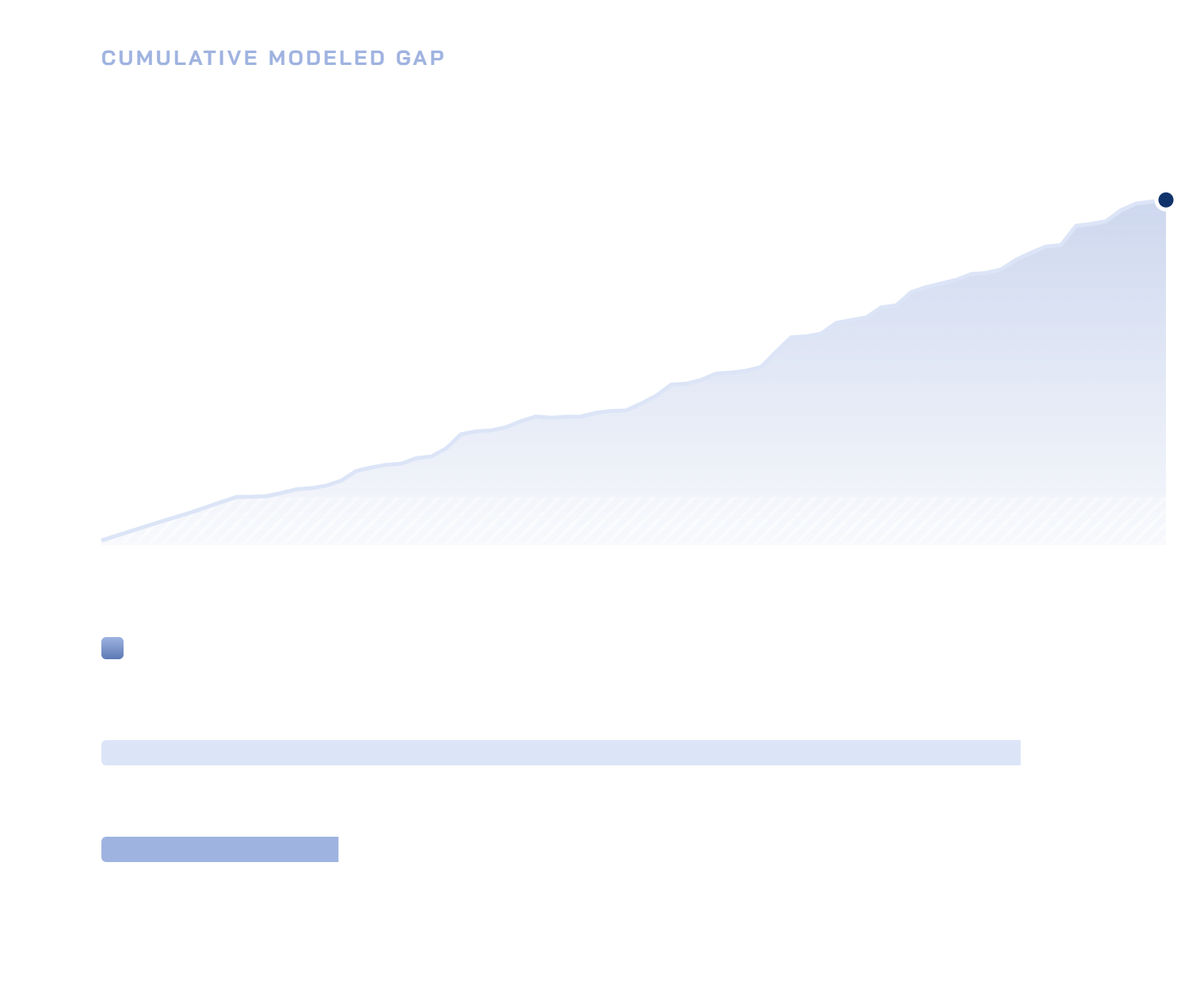
$1.20M modeled gap before interest or potential damages
Fictional 20-unit property · September 2020 – August 2026
Payments counted: $1.54M ($1.33M ledger-verified, $214K assumed)
Lawful under the order: $343K (about 22% of payments counted)
This example uses a fictional property and is for illustration only. Modeled figures are not verified liabilities.
Not hypothetical.
In September 2026 alone, DHCR issued 222 decrease-in-service orders lowering rents and 41 rent-overcharge orders, and directed $906K in overcharge refunds.
Source: NYS Homes and Community Renewal transparency data, September 2026.
THREE WAYS TO GET ANSWERS
Start at any tier. Scope and fees are agreed up front.
Quantum Path works with NYC property owners and operators, buyers and investors, lenders and capital partners, and property managers who need a clear, financial read on rent-regulatory risk.

Tier 1 · Screen
Could there be an issue?
A red-flag review of the property's DHCR case history.

Tier 2 · Verify
Which orders and units matter?
Verified case findings, order by order.

Tier 3 · Model
What could it cost?
A unit-by-unit financial exposure model.
COMMON QUESTIONS
DHCR exposure, explained
What happens when a DHCR rent-reduction order stays outstanding?
When DHCR finds that required services were not maintained, it can reduce the rent. According to NYS Homes and Community Renewal, no increase is allowed until DHCR issues a rent restoration order, even if the underlying issue was fixed long ago. If rents kept rising in the meantime, the amounts collected can exceed what was lawfully collectible.
How can an owner tell whether a property has exposure?
Start with the record. A Tier 1 screen reviews the property's DHCR case history for red flags. If something turns up, Tier 2 verifies which orders and units are affected, and Tier 3 models what the gap could cost.
When is the right time to look?
Before you need the answer: ahead of a sale or listing, during acquisition diligence, before a refinancing or recapitalization, or as soon as a tenant claim is raised.
Is this legal advice?
No. Quantum Path provides financial analysis, not legal advice. We work alongside your counsel, who can advise on legal strategy and remedies.
Know what the records say before the deal does.
Start with a complimentary discovery conversation.
Quantum Path provides financial analysis, not legal advice.